
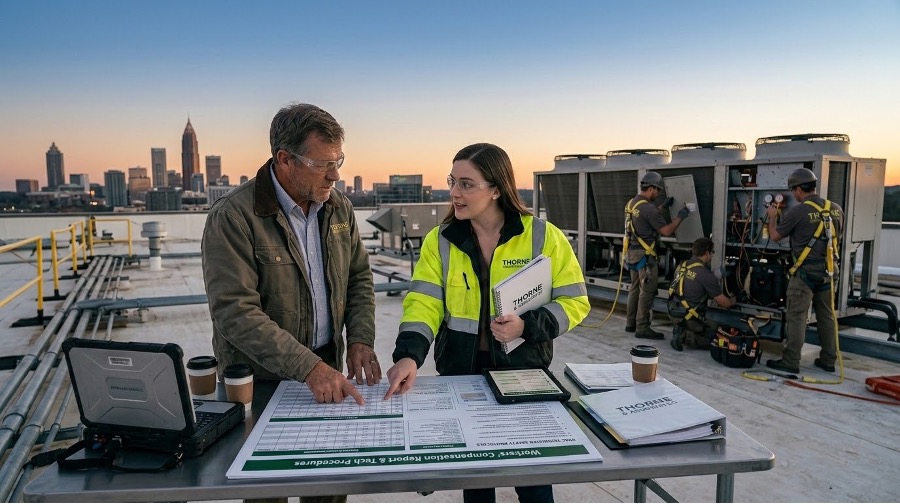
HVAC Workers’ Compensation Insurance and PEO Solutions
HVAC contractors operate in a physically demanding industry where workplace injuries can quickly lead to rising workers’ compensation costs and underwriting challenges.
From rooftop installations and ladder exposure to electrical hazards and repetitive lifting, HVAC businesses face a combination of risks that many insurance carriers evaluate carefully during underwriting reviews.
For insurance brokers, HVAC accounts often require a deeper understanding of operational exposure, payroll classifications, and claims management strategy — especially as workers’ compensation markets continue tightening across contractor industries.
Why HVAC Contractors Face Workers’ Compensation Challenges
HVAC technicians work in constantly changing environments.
One day may involve residential service work, while another requires large commercial rooftop installations or industrial equipment repairs. This variation creates exposure to:
- Falls from ladders
- Heat-related injuries
- Electrical incidents
- Lifting strains
- Equipment handling accidents
- Vehicle-related claims
Because HVAC operations combine both construction-related exposure and ongoing service work, underwriting can become complicated quickly.
Carrier pricing often reflects the physical demands associated with the industry.
Payroll Classification Matters in HVAC
One of the most common issues HVAC contractors face involves payroll reporting and employee classification.
Many businesses employ workers performing multiple duties, including:
- Installation
- Service repairs
- Sheet metal fabrication
- Warehouse operations
- Administrative work
Without organized payroll separation and documentation, workers’ compensation audits can become difficult.
Incorrect classifications may result in substantial additional premiums during audit reviews, especially for rapidly growing contractors.
Claims Management Impacts Long-Term Costs
HVAC businesses often focus heavily on controlling premium pricing during renewal periods. However, long-term workers’ compensation profitability usually depends more on claims performance than initial rates alone.
Recurring lifting injuries, delayed reporting, and inconsistent safety procedures can gradually increase EMR scores and reduce carrier flexibility.
Businesses that implement safety training, immediate injury reporting, supervisor accountability and return-to-work procedures typically maintain stronger underwriting stability over time.
This operational consistency becomes increasingly important as HVAC companies expand.
Why Growing HVAC Businesses Explore PEO Programs
Many HVAC contractors begin exploring PEO workers’ compensation programs after experiencing rapid growth, administrative strain, or underwriting restrictions.
PEO programs may provide support with:
- Payroll administration
- HR compliance
- Claims coordination
- Employee onboarding
- Safety documentation
- Return-to-work management
For HVAC companies managing multiple crews or operating across several states, these systems often improve organizational consistency.
Better operational controls frequently lead to improved underwriting perception as well.
The Importance of Safety Culture
The strongest HVAC businesses typically maintain clear expectations around:
- Ladder safety
- Vehicle operation
- Equipment handling
- Heat exposure
- Jobsite communication
Underwriters increasingly evaluate whether management actively reinforces these procedures throughout the organization.
Businesses lacking formal safety systems may encounter more difficult renewal negotiations over time.
For brokers, helping HVAC contractors improve operational discipline often creates substantial long-term value.
HVAC contractors face unique workers’ compensation challenges driven by field exposure, physical labor demands, and ongoing underwriting scrutiny.
For insurance brokers, understanding how PEO workers’ compensation programs support growing contractor businesses can create valuable placement opportunities while helping clients improve long-term operational consistency.
The most effective workers’ compensation strategies combine insurance planning with strong claims management and workplace safety practices.