
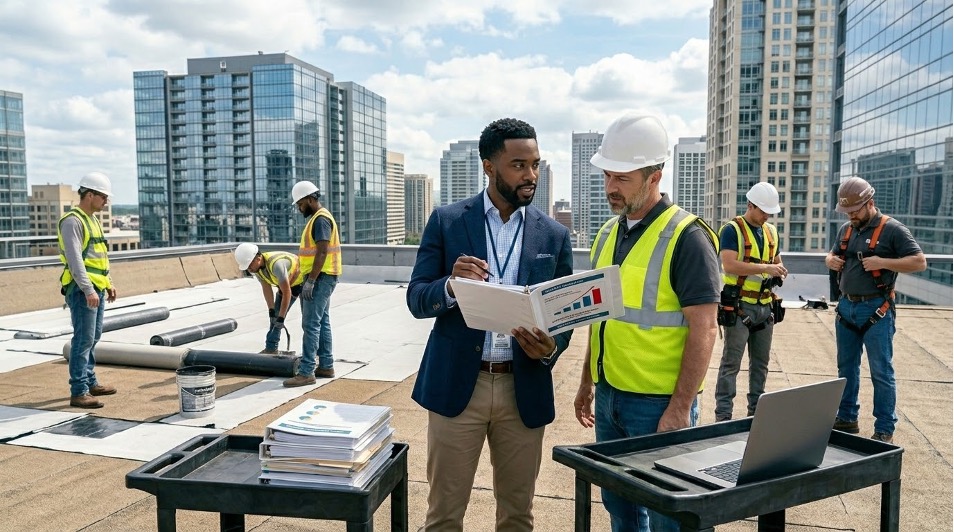
Roofing contractors operate in one of the most difficult workers’ compensation environments in the country. Between fall exposure, severe injury potential, seasonal labor fluctuations, and aggressive underwriting scrutiny, many roofing companies struggle to secure stable coverage at manageable rates.
For insurance brokers, roofing accounts often become difficult to place after only a few claims. Some carriers avoid roofing risks altogether, while others impose high minimum premiums, restrictive classifications, or substantial rate increases during renewal.
As workers’ compensation markets continue tightening for high-risk construction trades, many roofing contractors are exploring alternative solutions — including PEO workers’ compensation programs.
Why Roofing Workers’ Compensation Is So Expensive
Few industries carry the same injury exposure as roofing.
Even with strong safety programs in place, the severity potential associated with falls, ladder accidents, heat exposure, and equipment injuries creates ongoing underwriting pressure. Carriers understand that a single catastrophic claim can dramatically impact loss ratios.
Because of this, roofing companies often experience:
- Higher-than-average workers’ compensation rates
- Strict underwriting reviews
- Frequent audits
- Limited carrier availability
- Increased EMR sensitivity
Many smaller roofing contractors also struggle with payroll reporting consistency and subcontractor documentation, which can create additional underwriting concerns.
Claims History Matters More Than Ever
Underwriters reviewing roofing accounts look closely at prior losses. One large fall claim or repeated injury patterns can significantly impact renewal opportunities.
However, carriers also evaluate operational controls.
Roofing companies with documented safety procedures, fall protection training, return-to-work programs, and consistent hiring practices are generally viewed more favorably than businesses operating without formal risk management systems.
This is one reason many brokers encourage roofing clients to focus on long-term claims reduction rather than simply chasing lower premiums.
How PEO Workers’ Compensation Programs Help Roofers
PEO structures can provide roofing contractors with additional operational support that traditional insurance policies often do not include.
Many PEO programs assist with:
- Payroll administration
- Safety training coordination
- Claims reporting procedures
- HR compliance
- Employee onboarding
- Return-to-work management
For roofing contractors managing seasonal labor or rapidly expanding crews, these systems can help create more consistent operational controls.
From an underwriting standpoint, organized reporting and proactive claims management often improve how carriers evaluate risk over time.
Roofing Contractors Need More Than Just Insurance
One of the biggest mistakes roofing companies make is treating workers’ compensation as only a pricing issue.
In reality, long-term profitability often depends on reducing injury frequency and controlling claims severity. A cheaper policy does little good if operational problems continue producing losses year after year.
Strong brokers understand this balance.
The best workers’ compensation strategies for roofing contractors typically combine competitive insurance structures, safety accountability, claims oversight, payroll accuracy, and risk management support.
PEO programs may help align those areas more effectively for some employers.
Why Roofing Accounts Become Difficult to Place
Many roofing businesses begin experiencing underwriting challenges after:
- Rapid payroll growth
- Multiple injury claims
- Lapsed coverage
- High EMR increases
- OSHA violations
- Poor subcontractor controls
Once a roofing contractor enters assigned risk workers’ compensation markets, premiums often rise significantly.
This is why brokers serving roofing industries frequently explore alternative underwriting structures before accounts deteriorate further.
Roofing contractors face some of the toughest workers’ compensation conditions in the construction industry, and traditional insurance solutions do not always provide the flexibility or operational support employers need.
For brokers, understanding PEO workers’ compensation programs can create additional placement opportunities while helping roofing clients improve claims performance and underwriting stability over time.
The goal is not simply finding coverage. It is building a sustainable long-term workers’ compensation strategy in a difficult market.