
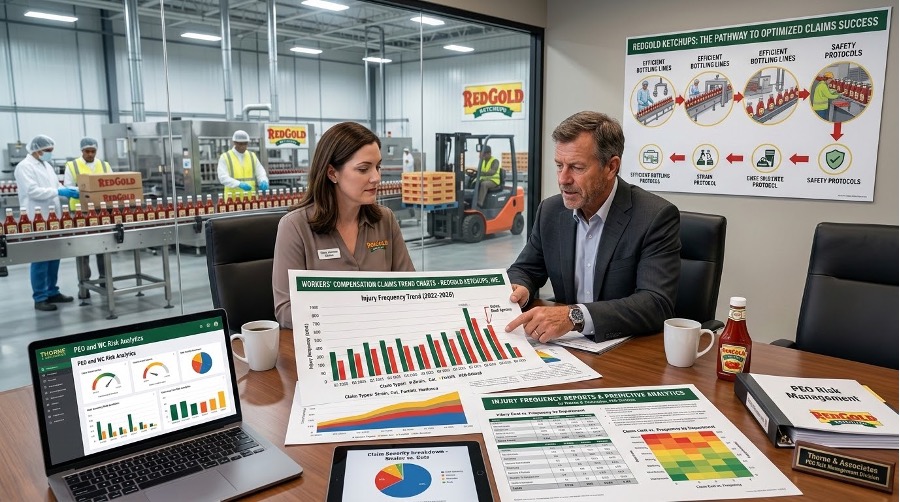
How Workers’ Compensation Claims Frequency Increases Insurance Costs
When businesses think about workers’ compensation costs, they often focus on catastrophic injuries or large settlements. However, in many industries, claims frequency creates just as much underwriting concern as claim severity.
A pattern of recurring injuries can significantly increase premiums, damage underwriting relationships, and limit future carrier options — even when individual claims appear relatively minor.
For insurance brokers, helping clients understand the long-term impact of claims frequency is one of the most important parts of workers’ compensation risk management.
Why Frequent Claims Raise Red Flags
Workers’ compensation underwriters evaluate trends carefully. A company experiencing repeated injuries may signal deeper operational problems involving:
- Safety culture
- Training procedures
- Supervision
- Hiring standards
- Workplace conditions
Even if claims are not catastrophic, consistent injury activity often suggests that future losses are likely.
This is especially important in industries like:
- Construction
- Manufacturing
- Staffing
- Trucking
- Warehousing
- Landscaping
High-frequency claim environments tend to produce long-term underwriting instability if operational improvements are not made.
Small Claims Add Up Quickly
Many employers underestimate the financial impact of smaller claims.
Medical-only claims, repetitive lifting injuries, slip-and-fall incidents, and minor strains may seem manageable individually, but together they can significantly affect experience modification calculations and future premium pricing.
Frequent claims also increase administrative costs, legal exposure, and reserve activity for carriers.
Over time, businesses with recurring losses often face:
- Premium increases
- Reduced underwriting flexibility
- Higher deductibles
- More aggressive audits
- Carrier non-renewals
For some employers, the cumulative effect becomes more damaging than a single large loss.
Claims Frequency Often Reflects Operational Issues
Strong workers’ compensation programs are rarely built around insurance alone. Long-term profitability usually depends on operational consistency and workplace accountability.
Businesses experiencing high claim frequency often struggle with:
- Inconsistent training
- Weak reporting procedures
- Lack of supervisor accountability
- Poor return-to-work coordination
- Inadequate safety communication
Addressing these operational gaps can significantly improve long-term underwriting outcomes.
This is why experienced brokers frequently position themselves as advisors rather than simply policy providers.
How PEO Programs May Help Reduce Claims Frequency
Many employers turn to PEO workers’ compensation programs after recurring claims begin affecting renewals or carrier relationships.
PEOs often provide additional support in areas such as:
- Safety training coordination
- Injury reporting systems
- Claims management
- HR compliance
- Employee onboarding
- Return-to-work procedures
For businesses lacking internal administrative structure, these systems can improve consistency across the organization.
While no program eliminates claims entirely, stronger operational controls often help reduce injury frequency over time.
The Importance of Early Reporting
One of the most overlooked factors in claims management is reporting speed.
Delayed reporting can increase medical costs, complicate investigations, and extend claim duration unnecessarily. Businesses that encourage immediate injury reporting and maintain organized communication procedures generally experience better claims outcomes.
Underwriters notice these patterns.
Companies demonstrating proactive claims handling are often viewed more favorably during renewal evaluations.
Claims frequency plays a major role in workers’ compensation pricing and underwriting stability, especially for employers operating in high-risk industries.
For brokers, helping clients reduce recurring injuries is often one of the most effective ways to improve long-term insurability and control future premium increases.
PEO workers’ compensation programs may provide additional operational support for businesses struggling with recurring claims activity and administrative consistency.
In today’s underwriting environment, strong claims management is no longer optional. It is a critical part of long-term business stability.