
Workers’ Compensation Insurance for Logging
Cut Your Risk and Those Trees! Workers’ comp protection and PEO for Logging
From falling to scaling, logging companies operate different types of equipment every single day to bring timber products to consumers. Even the most highly-skilled logger faces an occupational hazard risk just by heading to work.
While other PEOs might steer clear of such a high-risk industry, at PEO Insurance Brokers Network, we make getting coverage for all your team members breezier than an autumn afternoon.
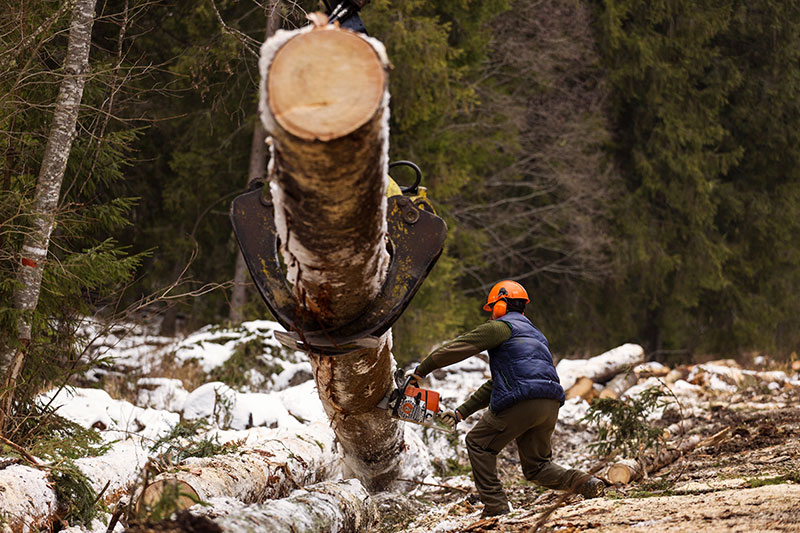

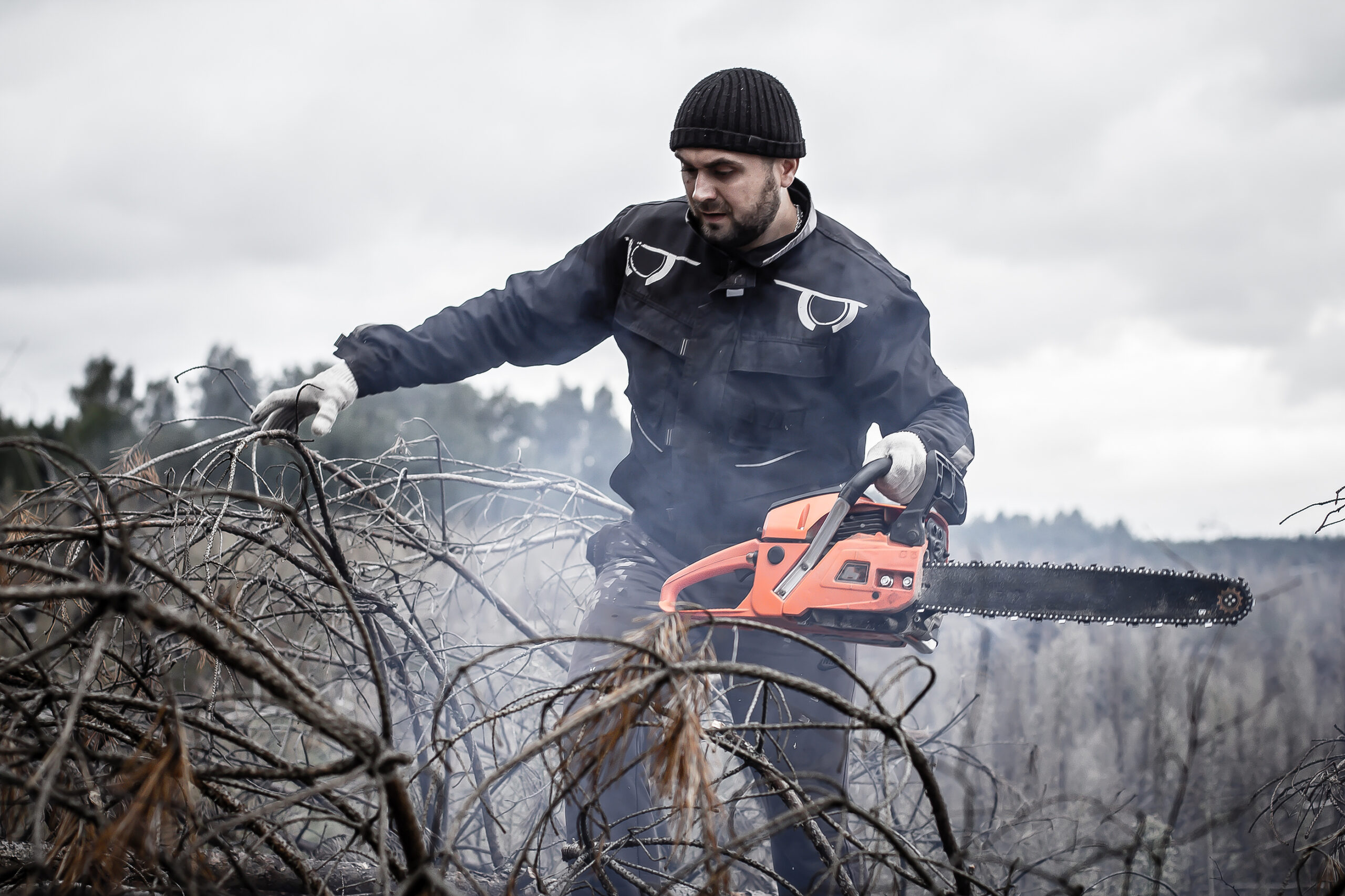
PEO for Logging Industry
Your logging insured should spend time focusing on their crew, not worrying about their risk profile every day. PEO Insurance Brokers Network can help you minimize the daily risks associated with logging.
We know the logging industry’s risk profile and we’re here to accept the challenge of insuring these high-liability businesses.
With PEO Insurance Brokers Network, we make it effortless for you the agent to get insurance coverage for even your most difficult logging accounts. We’ll shop the rates for you so you can focus on exceeding the expectations of your insured.
The best part? There’s no audit required!






How We Make Your Life Easier
PEO Insurance Brokers Network handles the following for your insured:
If you do not need a full-service solution, we can offer a guaranteed cost workers’ compensation self-reporting policy. Contact us to find out how we can best serve you.

PEO and Workers’ Compensation Insurance Solutions for Logging Companies
Protecting Logging Crews and Forestry Businesses with Comprehensive Coverage
The logging industry is one of the most hazardous fields in the U.S., requiring employers to maintain strict safety measures and robust employee protections. Chainsaw operations, heavy equipment use, and work on unstable, remote terrain create risks for both workers and businesses. Partnering with a Professional Employer Organization (PEO) and securing specialized workers’ compensation insurance for logging companies helps employers manage these challenges efficiently.
Why Logging Companies Need Workers’ Compensation and PEO Services
Logging companies face unique operational demands and high liability risks. Workers’ compensation insurance protects forestry employees in the event of on-the-job injuries, while PEO services help streamline HR, payroll, and compliance tasks. Together, these solutions allow business owners to focus on safe and productive timber harvesting operations.
Key Benefits of PEO Services for Logging Businesses
-
Payroll and HR Administration: Simplifies workforce management for logging crews, including seasonal and remote workers.
-
Risk Management Expertise: PEOs implement safety programs designed for forestry work to minimize incidents and claims.
-
Workers’ Compensation Management: Provides access to competitive workers’ comp rates and assists in managing claims efficiently.
-
Compliance Support: Helps logging businesses stay compliant with OSHA regulations and state workers’ compensation laws.
Workers’ Compensation for Logging Companies
How Does Workers’ Compensation Protect Forestry Workers?
Workers’ compensation insurance provides financial protection for both logging employees and their employers. It covers medical expenses, wage replacement, and disability benefits for forestry workers injured on the job. For business owners, it limits liability and ensures compliance with mandatory state regulations.
Common Workplace Hazards in Logging and Forestry
-
Chainsaw and Equipment Injuries: Chainsaws, skidders, and harvesters pose serious injury risks, including deep lacerations and crushing accidents.
-
Falling Trees and Debris: Workers face constant danger from falling branches and logs during felling operations.
-
Remote Work Locations: Emergency response times can be delayed in isolated timberlands.
-
Slips, Trips, and Falls: Wet, uneven terrain increases the likelihood of falls and sprains.
-
Extreme Weather Exposure: Forestry crews often work in harsh environmental conditions that can lead to hypothermia, dehydration, or heatstroke.

Get Your Insured Top of the Line Workers’ Comp Coverage
Don’t let the occupational hazards associated with your industry stop you from insuring your client. Fill out the form below to explore how we can champion the best workers’ comp coverage together.
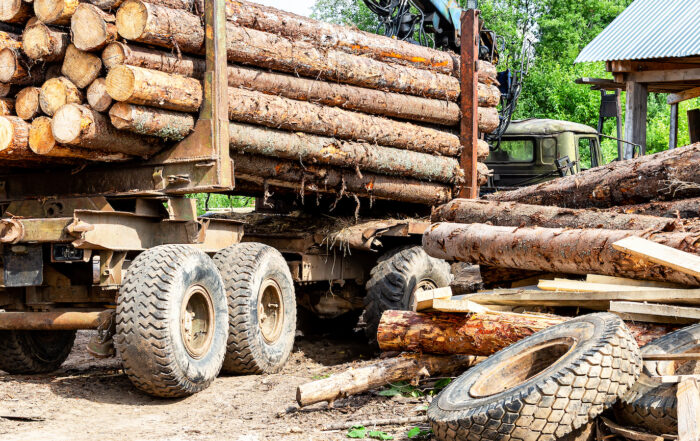
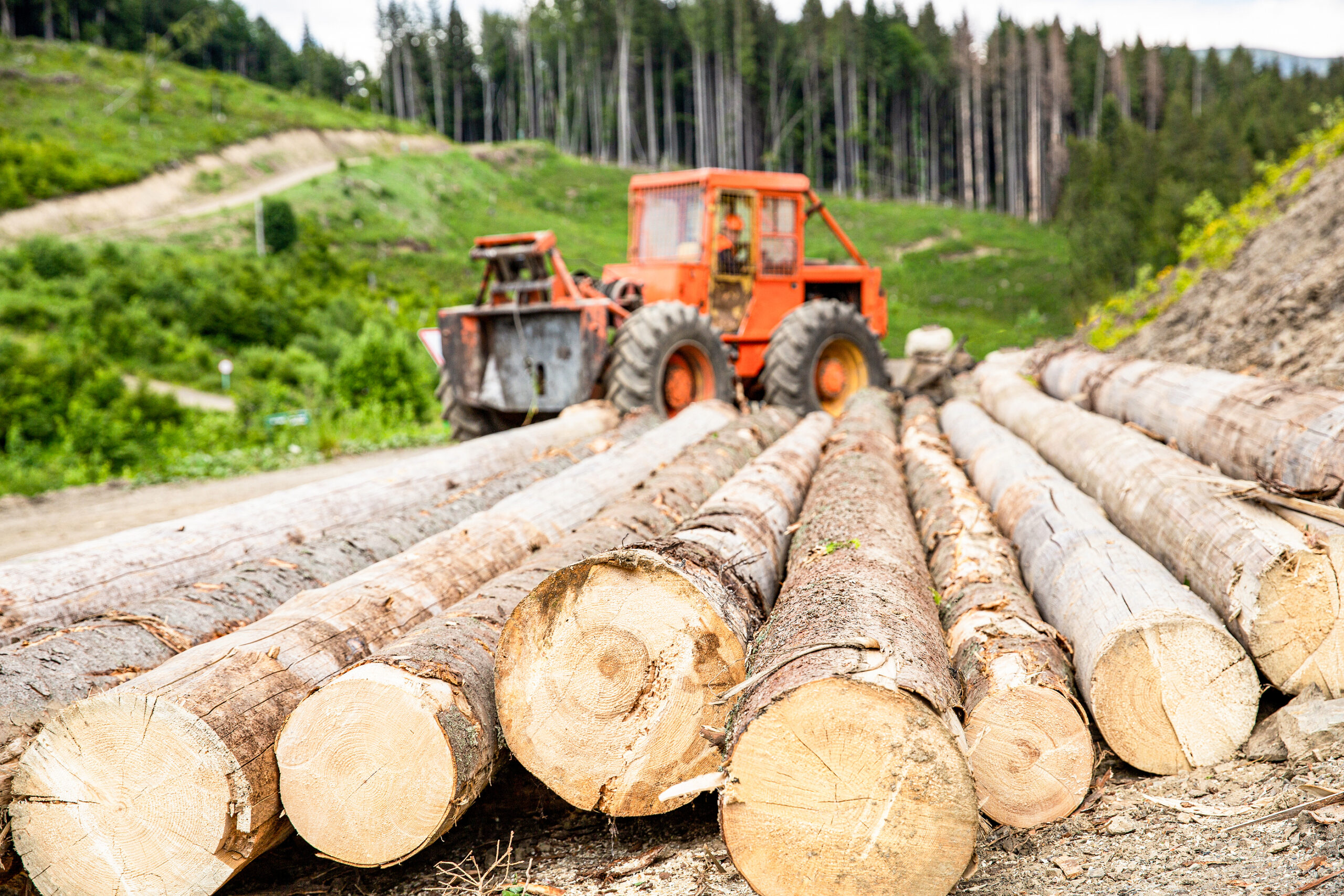
Reducing Workers’ Compensation Costs for Logging Operations
What Factors Influence Workers’ Compensation Premiums for Logging Companies?
-
Job Classifications: Roles like fellers and heavy equipment operators carry higher risks and premiums.
-
Claims History: Fewer workplace injuries mean lower insurance rates over time.
-
Worksite Safety Measures: Proactive safety programs directly impact premium calculations.
Strategies for Managing Workers’ Comp Costs
-
Provide Rigorous Safety Training: Focus on chainsaw handling, equipment operation, and emergency response protocols.
-
Enforce PPE Usage: Require hard hats, chainsaw chaps, gloves, and visibility vests on all job sites.
-
Conduct Jobsite Safety Audits: Regular inspections reduce hazards and improve compliance.
-
Leverage PEO Services: Access group workers’ comp plans and safety resources through a PEO to reduce overall costs.
How PEOs Simplify Workers’ Compensation for Logging Companies
PEOs act as co-employers, managing HR and risk responsibilities for logging businesses. They help with:
-
Accurate Job Classification: Prevents overpayment on workers’ compensation premiums by properly coding job roles.
-
Claims Assistance: Speeds up the claims process for injured workers and ensures they receive appropriate care.
-
Regulatory Compliance: Maintains compliance with state and federal forestry industry requirements.
-
Employee Onboarding: Streamlines the hiring process for seasonal or contract logging crews.
Choosing the Right Workers’ Compensation Provider for Forestry Businesses
What to Look for in a Provider
-
Industry Expertise: Select providers experienced with the unique risks of timber and logging operations.
-
Claims Management Capabilities: Efficient claims handling minimizes disruption to operations.
-
Customizable Coverage: Ensure policies cover both full-time and seasonal forestry workers.
-
Financial Stability: Choose a provider capable of sustaining claims payouts over time.
FAQ: Workers’ Compensation and PEO Services for Logging Companies
Why is workers’ compensation important in the logging industry?
Logging is consistently ranked as one of the most dangerous professions. Workers’ comp ensures employees receive medical care and wage replacement if injured, while shielding employers from lawsuits and financial losses.
What are the most common injuries in forestry operations?
Chainsaw cuts, crushed limbs from falling trees or equipment, heat-related illnesses, and musculoskeletal injuries from strenuous labor are among the most frequent.
How can logging businesses lower their workers’ compensation premiums?
Investing in rigorous safety training, conducting regular jobsite inspections, and partnering with a PEO to access group insurance rates are proven strategies to reduce costs.
Are small or seasonal logging crews required to carry workers’ compensation insurance?
Yes. Most states mandate workers’ compensation for all employees, including part-time, seasonal, and contract workers in forestry.
Can a PEO help manage logging industry risks?
Absolutely. PEOs provide HR support, safety programs, and access to cost-effective workers’ comp policies designed for high-risk industries like forestry.
Protect Your Logging Crew with PEO and Workers’ Compensation Solutions
From chainsaw operators to machine drivers, your employees face significant daily risks. Partnering with a PEO and securing comprehensive workers’ compensation insurance ensures your forestry business is protected, compliant, and ready to operate safely.