
The Future of Workers’ Compensation for High-Risk Industries
Workers’ compensation underwriting continues evolving rapidly across high-risk industries as carriers respond to rising medical costs, labor shortages, litigation trends, and changing workplace environments.
Construction firms, staffing companies, manufacturers, trucking operations, and contractors are all experiencing increased underwriting scrutiny as insurers place greater emphasis on operational controls and long-term claims management.
For insurance brokers, understanding where the workers’ compensation market is heading has become increasingly important when advising clients operating in difficult industries.
Underwriters Are Becoming More Selective
Workers’ compensation carriers are placing greater focus on operational discipline than ever before.
In previous years, some businesses could still secure competitive pricing despite inconsistent safety practices or administrative disorganization. Today, underwriters are far less tolerant of operational instability.
Carriers increasingly evaluate:
- Safety culture
- Claims reporting speed
- Employee turnover
- Hiring practices
- Payroll accuracy
- Return-to-work procedures
Businesses that cannot demonstrate strong internal controls often face:
- Reduced carrier options
- Higher premiums
- Stricter underwriting terms
- Increased audit scrutiny
This trend is likely to continue across high-risk industries.
Technology Is Changing Claims Management
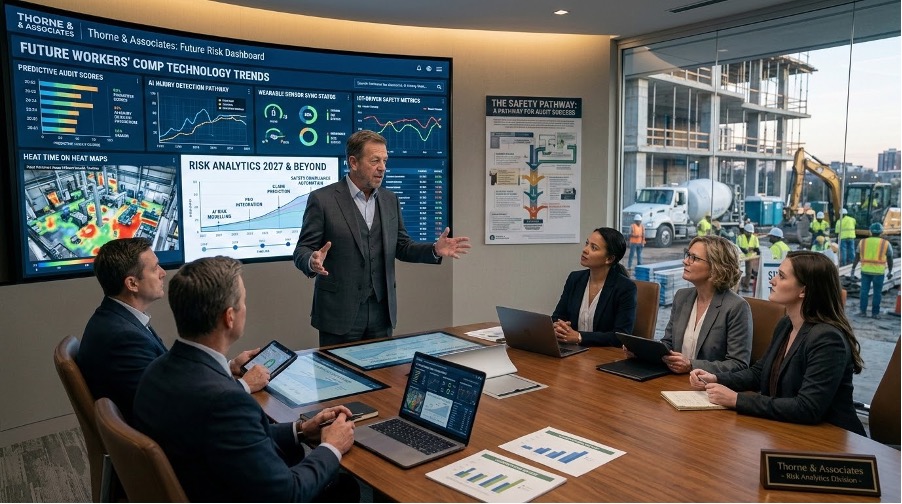
Technology is beginning to reshape workers’ compensation operations in several important ways. Businesses now use a variety of tools including digital safety reporting systems, GPS fleet monitoring, wearable safety technology, electronic onboarding, automated payroll systems and AI-assisted claims analysis. These tools help employers improve documentation, identify injury trends earlier, and maintain stronger operational consistency.
Underwriters increasingly favor businesses using organized systems that improve visibility into workplace risk.
Labor Challenges Will Continue Affecting Claims Activity
Many high-risk industries continue struggling with labor shortages and workforce turnover.
As businesses hire less experienced employees to meet operational demands, injury exposure may increase due to:
- Limited training
- Inconsistent supervision
- Fatigue
- Communication gaps
- Production pressure
This creates ongoing challenges for employers attempting to balance growth with safety accountability.
Brokers serving these industries will likely spend more time advising clients on operational strategy rather than simply insurance pricing.
PEO Programs May Play a Larger Role
As underwriting standards become more demanding, many businesses may continue exploring PEO workers’ compensation programs for additional operational support.
PEOs often help employers strengthen:
- Payroll administration
- HR compliance
- Claims coordination
- Employee onboarding
- Safety documentation
- Return-to-work procedures
For growing businesses lacking internal infrastructure, these systems may become increasingly valuable in maintaining underwriting stability.
The future of workers’ compensation will likely reward businesses with stronger operational organization and proactive claims management.
Brokers Are Becoming Risk Advisors
The traditional role of the insurance broker is changing.
Clients increasingly need guidance involving:
- Claims trends
- Operational controls
- Workforce management
- Safety procedures
- Underwriting strategy
Brokers who understand these broader business challenges are often better positioned to retain difficult accounts and provide long-term value beyond policy placement alone.
This consultative approach is becoming more important as workers’ compensation markets grow more complex.
The future of workers’ compensation in high-risk industries will likely be shaped by stricter underwriting standards, operational accountability, and greater use of technology-driven risk management systems.
For brokers, understanding how PEO workers’ compensation programs support long-term organizational stability can create valuable opportunities to help clients navigate increasingly difficult insurance environments.
The businesses that adapt operationally will likely maintain the strongest underwriting flexibility moving forward.